The Science of Habit Change
Every habit runs on the same simple loop: a cue, a routine, a reward. Alarm goes off → coffee. Stressed → a drink. The loop is what makes habits feel automatic — because they are.
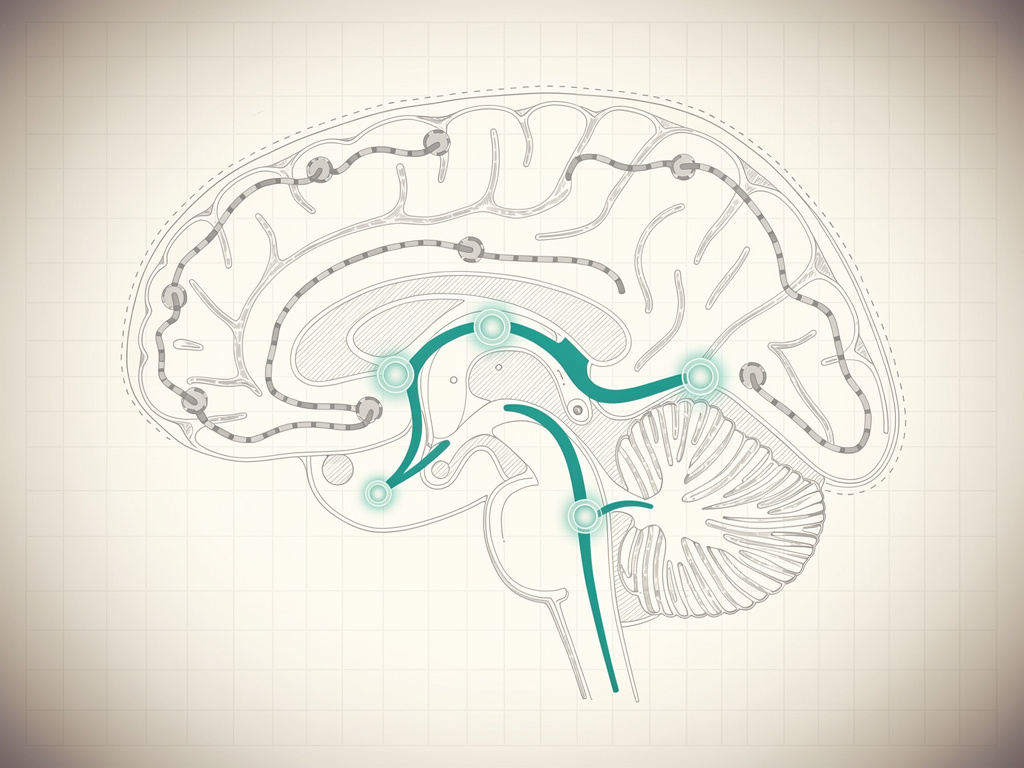
Here's the twist: old habits don't get deleted. The loop stays wired in your brain even after you stop using it. That's why a whiff of an old trigger can catch you off guard years later. Nothing's wrong with you — your brain just still remembers the shortcut.
That's also why willpower keeps losing. You can't delete the cue, and you can't out-muscle it forever. The good news: you don't have to.
The move that works is swapping the routine. Keep the cue, keep the reward, change what's in between.
Say stress used to end in a drink. What was the drink actually delivering? Calm? Escape? A bit of company? Find the real reward, then get it somewhere else — a walk, a shower, calling a friend. The loop gets what it wants, just without the hangover.
Then repeat. A lot. Each rep quietly weakens the old path and strengthens the new one. It's slow, and nobody throws a parade halfway through — but one day the new routine just happens on its own. That's the rewiring, done.
Small swaps, repeated. That's the whole trick.